ADAS Calibration & Advanced Driver Assistance System Service in Winchester, VA Reliable & Affordable
Modern vehicles rely on cameras, radar, and sensors to enable features such as lane departure warnings, adaptive cruise control, and automatic emergency braking. When these systems are out of alignment, damaged, or not communicating properly, your vehicle may not respond the way it is designed to.
At Mission Auto Repair, we help Winchester drivers protect the safety technology built into their vehicles with precise diagnostics, calibration support, and repair-focused service. These features are designed to help the driver, not replace them, which makes accurate performance especially important.
What Are Advanced Driver Assistance Systems and Why Do They Matter?
Advanced Driver Assistance Systems, or ADAS, help your vehicle monitor its surroundings and support safer driving. These systems use cameras, radar units, and sensors to detect lane markings, nearby vehicles, and other potential hazards. They may support functions such as forward collision warning, lane departure warning, lane keeping assistance, blind spot monitoring, adaptive cruise control, rear cross traffic alert, automatic emergency braking, and parking assistance.
These functions depend on precise sensor positioning and proper communication with the vehicle’s control systems. Even a small alignment issue can affect their performance. For drivers in Winchester, this service is about more than technology. It is about confidence. If your vehicle relies on these systems for visibility and awareness on the road, they should be checked carefully after certain repairs or warning-light events.
The Calibration System We Use
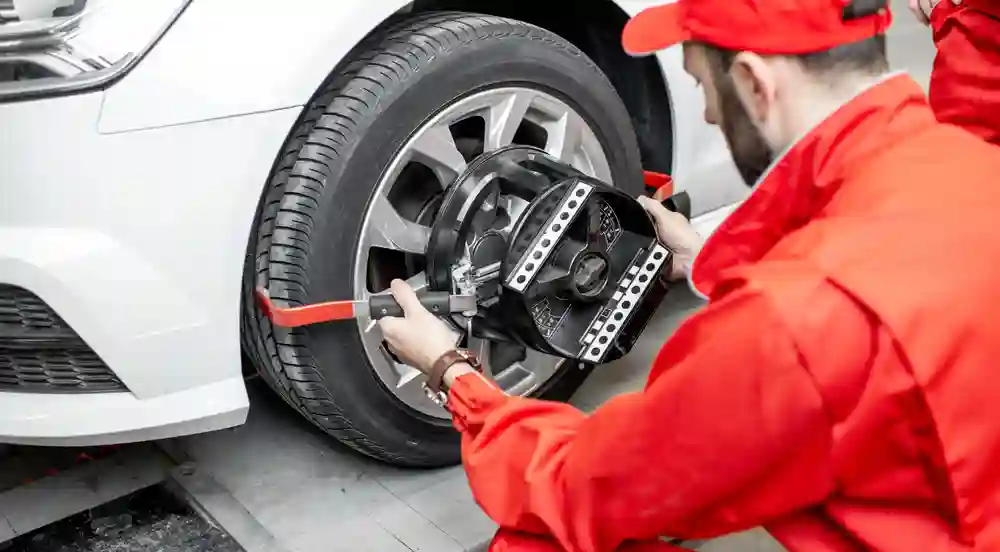
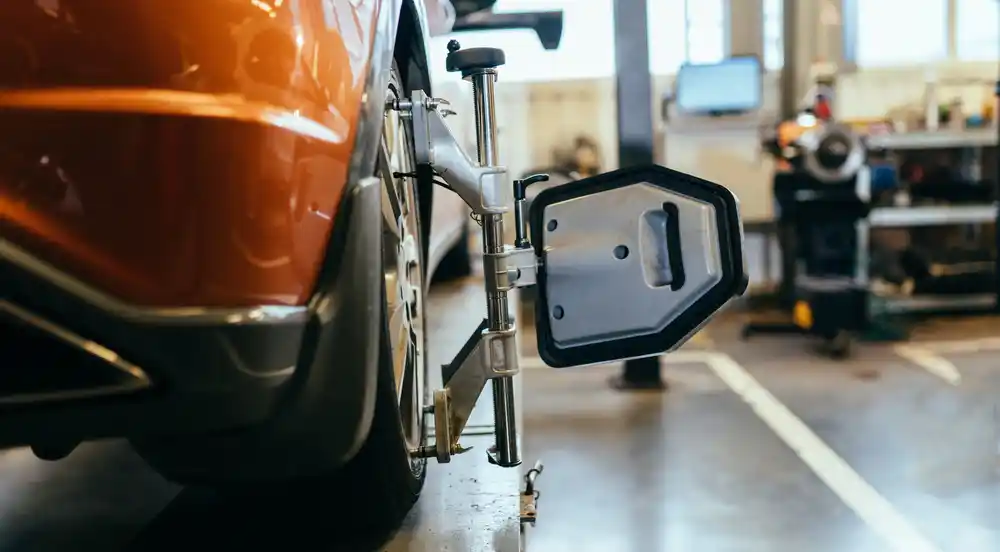
At Mission Auto Repair, we use the Autel MaxiSYS IA900 to support accurate calibration and inspection for modern vehicle safety systems. This advanced system helps our team measure, position, and verify the components that affect how cameras and sensors read the road. Using dedicated equipment allows us to approach calibration with greater precision instead of relying on guesswork.
The IA900 also helps us connect diagnostics, alignment-related checks, and calibration procedures in one workflow. That matters because these systems often depend on more than just the camera or sensor itself. If the vehicle has an alignment issue, a mounting problem, or damage that changed the position of a component, those details need to be considered before calibration is performed.
When Your Vehicle May Need Calibration or Service
Many drivers do not realize that calibration is often needed after repairs that affect a camera’s field of view or a sensor’s position. If something changes the way these components sit on the vehicle, their readings may no longer be accurate.
Your vehicle may need this service after windshield replacement, front-end collision damage, bumper repair or replacement, wheel alignment, suspension repair, steering work, sensor replacement, camera replacement, or dashboard warning lights related to driver assistance systems. Even if your vehicle seems to drive normally, the cameras or sensors may no longer be aimed where the manufacturer intended. That is why these concerns should be treated as seriously as any other safety-related issue.
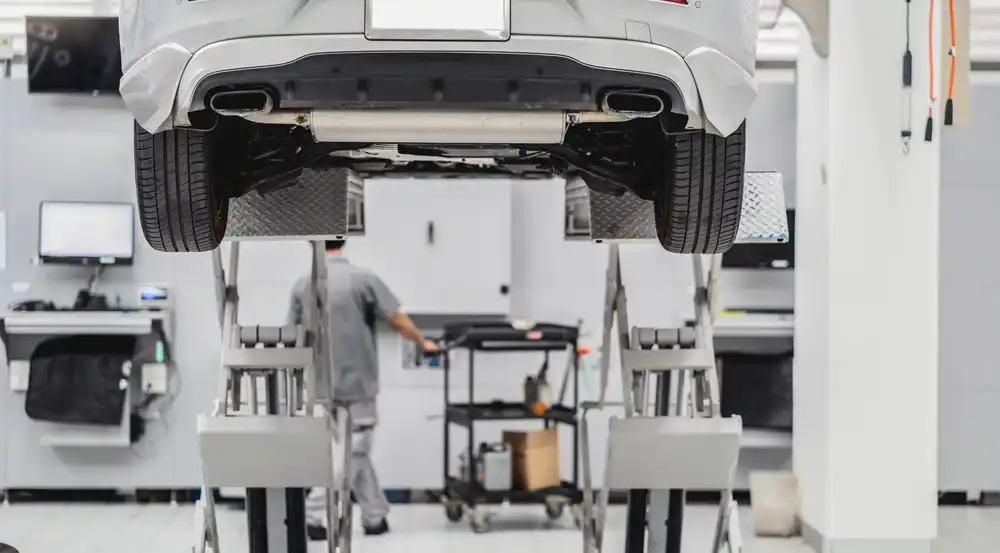
Features We Help Diagnose and Service
Mission Auto Repair makes it easier for drivers to identify problems with the safety systems built into their vehicles. If a warning light appears or a feature stops working the way it should, our team can inspect the issue and determine the next step.
We commonly help diagnose concerns involving forward collision warning, lane departure warning, lane keeping assistance, blind spot monitoring, rear cross traffic alert, adaptive cruise control, parking assistance, backup camera-related systems, and automatic emergency braking. If you notice false alerts, inconsistent lane readings, warning messages, or a system that stopped working after recent repairs, it is a smart time to schedule an inspection.
Our Calibration and Diagnostic Process
Every visit starts with a careful inspection and a clear plan. We look at the warning concern, recent repair history, collision history, and any symptoms you have noticed while driving. From there, we determine whether the issue involves a sensor, a camera, a mounting position, a communication fault, or a calibration need based on manufacturer procedures.
- We begin with a full inspection and system scan to identify warning lights, stored fault codes, and any signs of system malfunction.
- We review the vehicle’s recent history, including windshield replacement, bumper repair, suspension work, wheel alignment, or previous collision damage that may have affected the camera or sensor position.
- We evaluate whether there is an underlying mechanical issue, such as an alignment, steering, suspension, or mounting concern, that needs to be corrected before calibration can be completed properly.
- We set up the Autel MaxiSYS IA900 and position the vehicle and equipment according to the requirements for that specific make, model, and safety system.
- We perform the required calibration procedure and confirm that the camera, radar, or sensor is reading correctly and communicating as intended.
- We verify the results, explain what was done, and let you know whether any additional repair or follow-up service is recommended.
For the customer, the experience should feel straightforward. We identify the issue, explain what caused it, and recommend the service needed to restore dependable performance. If another repair, such as suspension work, alignment service, or glass replacement, is part of the root cause, we explain that clearly so you understand why calibration matters.
Signs Your Safety Systems May Not Be Working Properly
Drivers often assume these problems will be obvious, but some warning signs can be subtle. A system may still seem partially functional while delivering inaccurate readings or inconsistent alerts.
You may notice a lane assist, collision warning, or front camera message on the dashboard. You might also experience unexpected braking alerts, missing or inconsistent lane guidance, blind spot warnings that do not appear when expected, or parking sensors that behave irregularly.
These issues may also appear after windshield replacement, front bumper work, suspension repairs, or wheel alignment service. If something feels off, it is best to schedule an inspection before relying on that system.
Why Winchester Drivers Choose Mission Auto Repair
Mission Auto Repair is known in Winchester for expert service, honest communication, and experienced technicians. When it comes to modern vehicle safety features, trust matters. Drivers need a shop that explains things clearly and focuses on what the vehicle actually needs.
Our team includes ASE Certified Master Technicians and brings more than 25 years of experience to the work we do. We provide transparent estimates, clear communication throughout the repair process, and quality workmanship backed by a 2-year or 24,000-mile guarantee. We also offer up to $200 in complimentary towing and emergency roadside coverage. Because this service can feel technical to the average driver, our goal is to make the process easier to understand and more trustworthy.
Frequently Asked Questions (FAQs)
Q: What does ADAS mean on a car?
A: It stands for Advanced Driver Assistance Systems. These are safety and convenience technologies that use cameras, radar, and sensors to support features such as lane departure warning, blind spot monitoring, adaptive cruise control, and automatic emergency braking.
Q: When does calibration become necessary?
A: It may be needed after windshield replacement, bumper repair, suspension work, structural repair, alignment changes, or any service that affects sensor position or camera angle.
Q: Can I ignore a warning light if the car still drives fine?
A: That is risky. A vehicle may still seem to drive normally while a camera, radar unit, or related safety feature is not functioning correctly.
Q: What features commonly need attention?
A: Common systems include forward collision warning, lane departure warning, lane keeping assistance, blind spot monitoring, rear cross traffic alert, adaptive cruise control, and automatic emergency braking.
Q: Is this the same as self-driving?
A: No. These technologies are designed to assist the driver, not replace them. The driver is still responsible for operating the vehicle safely.
Q: How long does calibration usually take?
A: The time can vary depending on the vehicle, the system involved, and whether another repair or adjustment is needed first. Some vehicles can be completed more quickly, while others require a longer process to ensure proper setup and accurate results.
Q: Do I need calibration after windshield replacement?
A: In many cases, yes. If the vehicle uses a forward-facing camera mounted near the windshield, replacing the glass can affect the camera’s position and require recalibration.
Q: Can a minor accident affect these systems even if the vehicle still drives normally?
A: Yes. A small impact can change the position of a camera, radar unit, bracket, or bumper component without creating an obvious drivability issue. That is why these systems should be checked after even minor collision damage.
Q: Is wheel alignment related to calibration?
A: Yes. Alignment can affect how certain cameras and sensors are positioned in relation to the road. If the alignment is off, calibration may not be accurate until that issue is corrected.
Schedule Service in Winchester, VA
When your vehicle’s safety systems are not working the way they should, waiting can put your confidence and safety at risk. Mission Auto Repair helps Winchester drivers identify warning concerns, understand the next steps, and get the right service for dependable performance.
If your windshield was recently replaced, your suspension or alignment was serviced, or you are seeing driver assistance warning messages, now is the time to have your vehicle checked.
Call Mission Auto Repair today to schedule expert ADAS calibration and diagnostics in Winchester, VA.