

Safe and reliable is not a slogan. It comes down to a handful of systems doing their job: your car stopping when you need it to, going where you point it, staying in contact with the road, and telling you early when something is wrong. When those systems are in good shape, you stop thinking about your car and just drive. This guide breaks down what each one means, and how to know yours is ready for a busy season.
What Makes a Car Actually Safe and Reliable?
Safe and reliable comes down to two things: control and warning. Control means your car does what you ask. It stops, it steers, and it holds the road. Warning means your car can tell you when a part is wearing out, before it leaves you stranded or creates a hazard.
Most breakdowns and accidents trace back to one of a few systems: brakes, steering and suspension, or tires. The good news is that all of them give you signs before they fail. A car that is safe and reliable is one where those systems are sound and you are paying attention to what it is telling you.
For a family heading into fall, that matters more than usual. You are about to put more miles on the car, often with kids aboard, in darker mornings and wetter weather. Getting these systems checked before the calendar fills up is the difference between a small planned fix and a roadside emergency on a school morning.
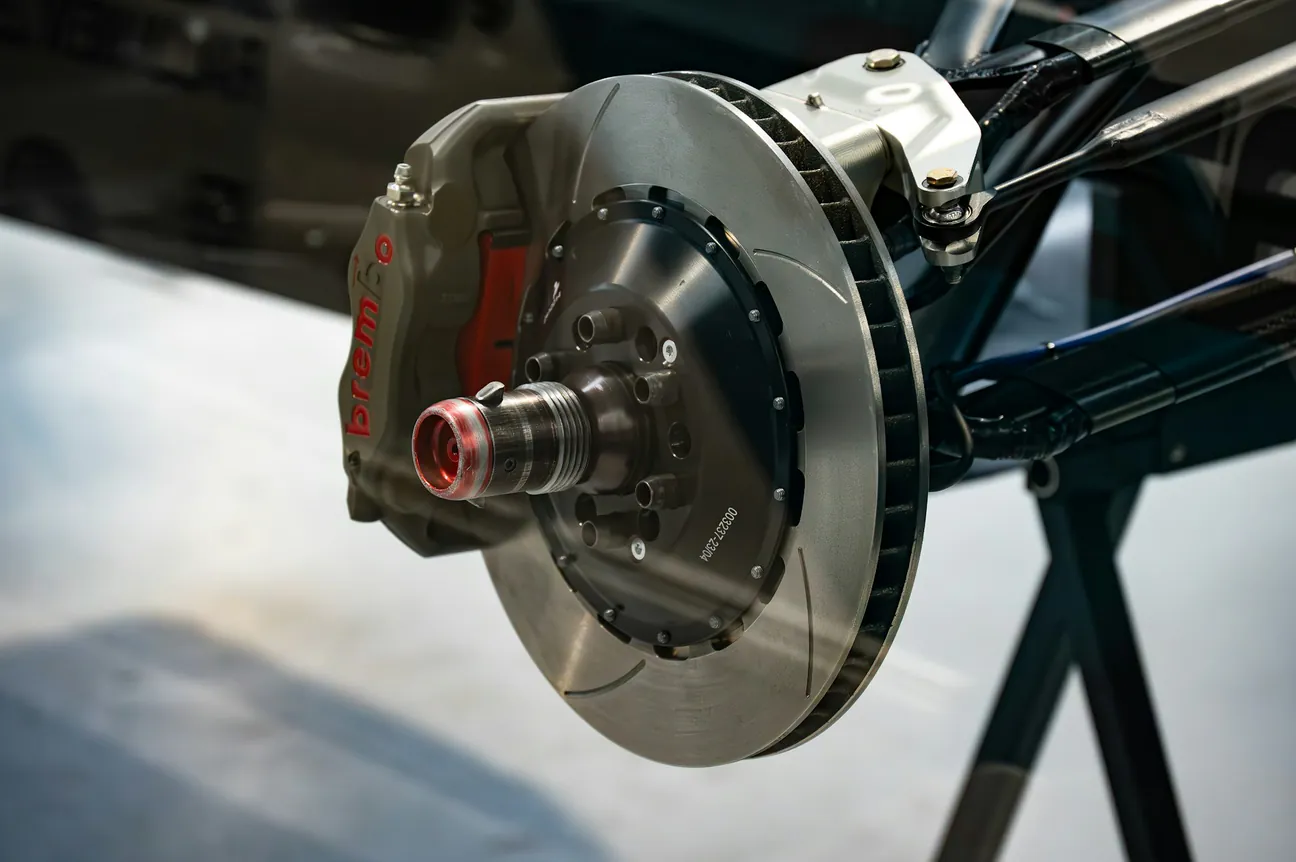
Brakes: Can Your Car Stop When It Counts?
Stopping is the foundation of safe. No system matters more day to day, especially in stop-and-go carpool traffic and busy school zones where you brake constantly.
Your brakes tell you when they are wearing out. A squeal or grinding noise, a vibration through the pedal, a soft or spongy feel, or the car pulling to one side are all signs worth checking. None of these should be ignored, because worn brakes take longer to stop, and that extra distance is exactly what you cannot spare with a child crossing in front of you.
If you notice any of these, have your brakes inspected before the season starts. A good shop will show you what is worn and tell you plainly whether it needs attention now or can wait.

Steering and Suspension: Staying in Control
If your brakes let you stop, your steering and suspension let you stay in control the rest of the time. Together they keep the car stable, absorb bumps, and make sure the wheels stay planted through turns and over rough roads.
You feel it when this system is wearing out. The car may wander or pull, feel bouncy or loose over bumps, clunk when you hit a pothole, or the steering may feel heavy or vague. These are not just comfort issues. A worn suspension changes how your car handles in an emergency and how well your tires grip the road.
Because these parts wear slowly, the decline is easy to miss until it is significant. If your car does not feel as planted as it used to, have your steering and suspension checked. Catching it early keeps the repair smaller and your handling sharp.
Tires: Your Only Contact With the Road
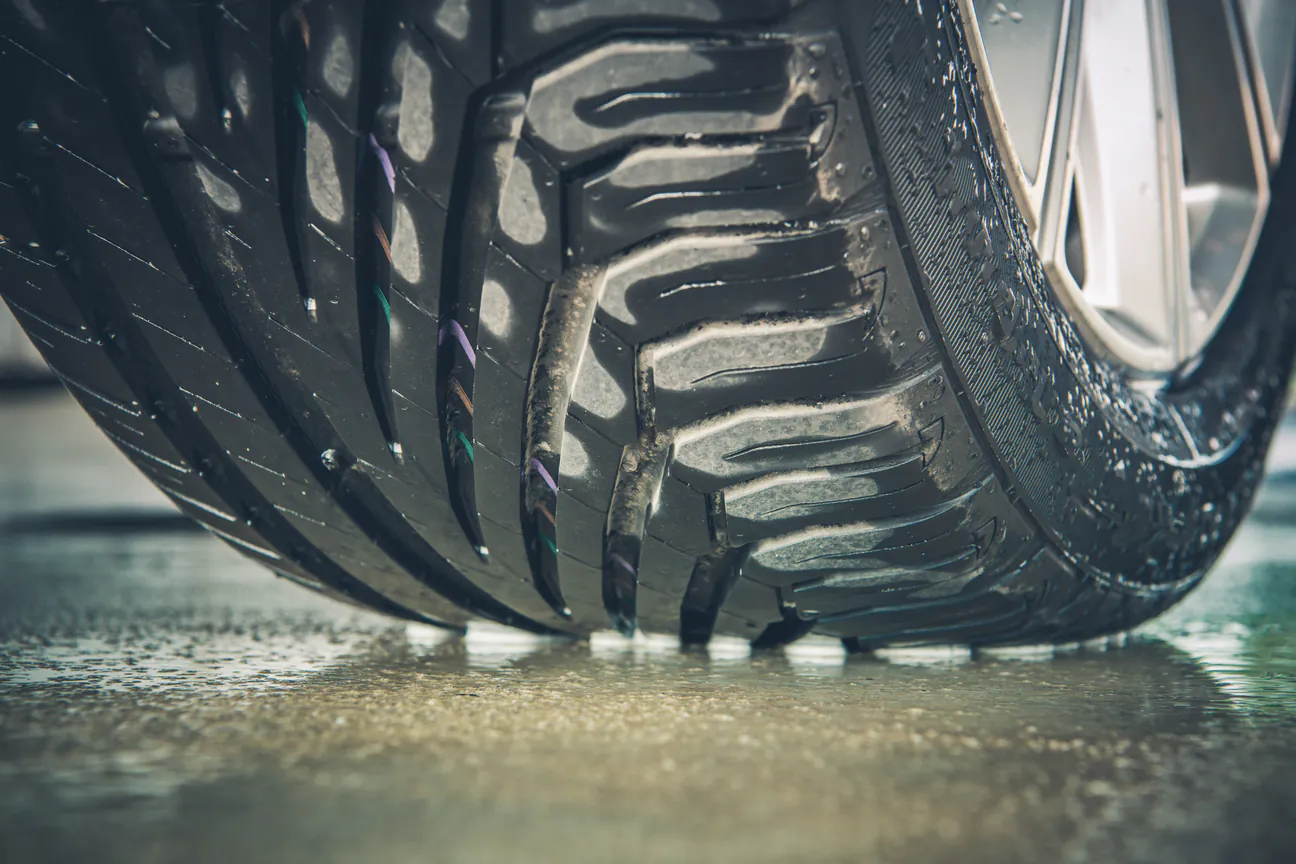
Here is a fact that is easy to forget. Four patches of rubber, each about the size of your palm, are the only thing connecting your car to the road. Everything your brakes, steering, and suspension do depends on your tires actually gripping.
That grip comes from tread and proper pressure. Worn tread cannot channel water, so wet fall roads become a real hazard. Low pressure hurts handling and wears the tire unevenly. You can check tread at home with a penny. Put it in the groove with Lincoln’s head pointing down, and if you can see the top of his head, the tire is worn out and needs replacing.
Uneven wear is also a clue that something else is off, like alignment or a suspension part. If your tires are low on tread or wearing unevenly, it is worth getting them and the systems around them looked at together.
Warning Signs: How Your Car Tells You Something Is Wrong
A safe and reliable car is one that can warn you, and a safe driver is one who listens. Your car communicates in three ways: lights, sounds, and feel.
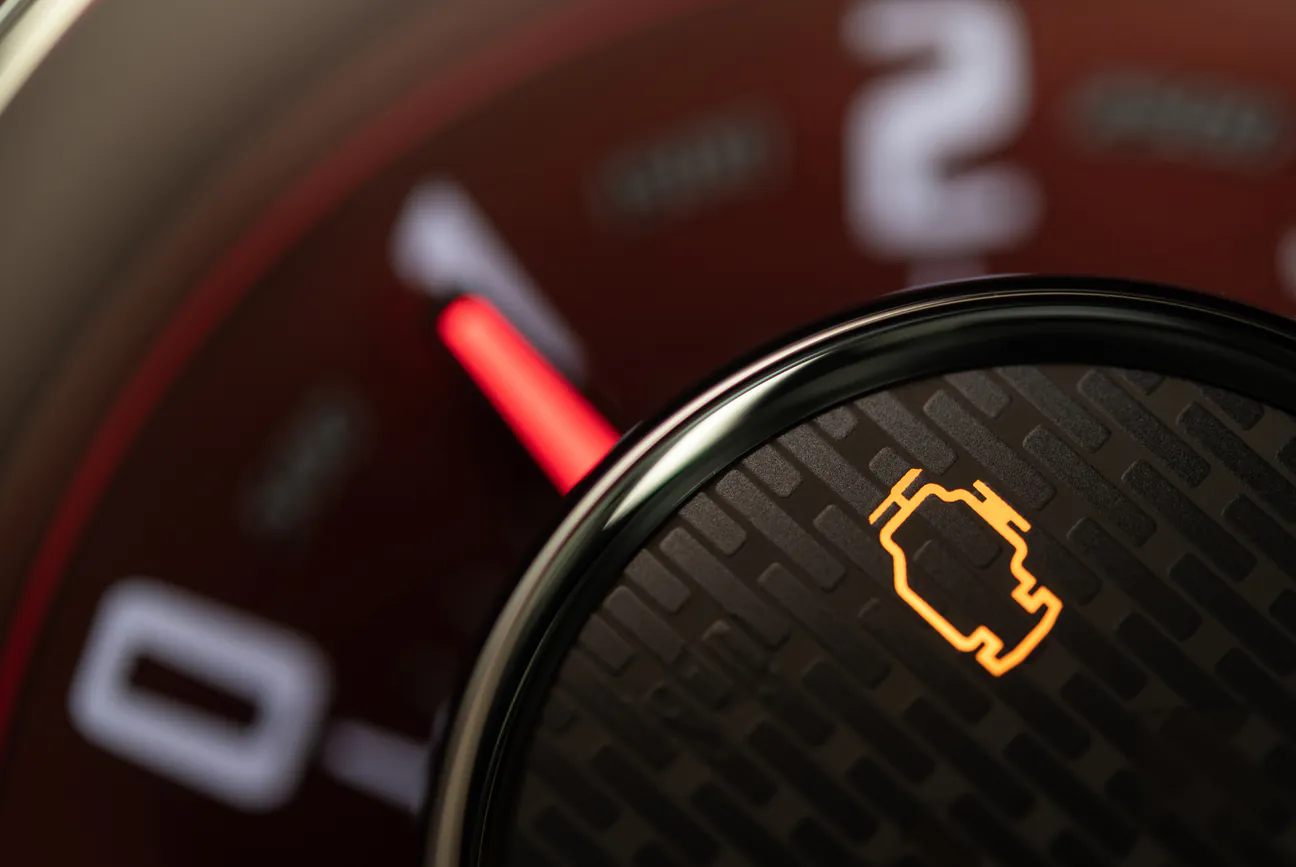
Dashboard lights are the most direct. A check engine light, a brake light, or another warning is your car asking for attention. Some are urgent and some are not, but the only way to know is a proper scan. New noises are the next signal. Grinding, clunking, squealing, or humming that was not there before usually means a part is wearing. Finally, changes in how the car feels, like a new vibration, a pull, or a soft pedal, are often the earliest warning of all.
The mistake is waiting for the sign to go away or get louder. It rarely does. If a light is on or something feels off, a quick diagnostic turns a mystery into a clear answer, so you can decide what to do next.
What “Reliable” Really Means When You Are Busy
Reliable is not just about the car. It is also about knowing you can trust what you are told about it.
When your schedule is packed, the last thing you need is a shop that invents problems, or misses real ones. Reliable means an honest diagnosis: a clear explanation of what is actually wrong, what it will take to fix, and what can safely wait. It means only fixing what needs fixing, so your money goes where it matters. Many families first find a shop they trust by bringing in a second opinion on a repair quoted elsewhere and learning they needed less work than they were told.
That kind of straight answer is what turns a one-time visit into a shop you rely on for years. Safe is your car. Reliable is your car and the people who look after it.
How to Know Your Car Is Ready for Fall
You do not need to guess. Before the fall schedule takes over, have the core safety systems checked in one visit: brakes, steering and suspension, and tires, plus a scan of any warning lights. It is a short appointment that tells you exactly where your car stands.
From there you can plan. Handle anything urgent now, and schedule the rest on a timeline that fits your budget. Going into a busy season knowing your car is sound is worth far more than the hour it takes to find out.
Frequently Asked Questions
What does “safe and reliable” actually mean for a car?
It means the systems that keep you in control are sound, namely brakes, steering, suspension, and tires, and that your car can warn you early when something is wearing out. A reliable car does not strand you, and a reliable shop tells you the truth about what it needs.
Which systems matter most for safety?
Brakes come first, since stopping is the most critical thing your car does. Steering, suspension, and tires come next, because they keep you in control and connected to the road. Warning lights and new noises tie it all together by flagging problems early.
How do I know if my brakes need attention?
Listen and feel. Squealing or grinding, a vibration through the pedal, a soft pedal, or the car pulling to one side when you brake are all signs to get them checked. Do not wait for the noise to get worse.
Is a warning light always urgent?
Not always, but you cannot tell without a scan. Some lights point to a minor issue like a loose gas cap, others to something serious. A quick diagnostic tells you which, so you are not guessing.
Should I get everything checked at once or spread it out?
Get the safety systems checked together in one visit so you know the full picture. Then handle the repairs on a timeline that fits your budget, starting with anything urgent.
Why does a busy fall schedule make this more important?
You drive more miles, often with kids and in darker, wetter conditions. A small problem you could ignore in summer becomes a real risk when you rely on the car every day. Catching it before the season starts keeps a small fix from becoming an emergency.
Get Your Family Ready Before the Season Starts
Mission Auto Repair helps families across Winchester, Frederick County, Stephens City, Middletown, and Berryville head into fall with a car they can count on. Call us to have your brakes, steering, suspension, and tires checked, and we will give you a straight answer on what needs attention and what can wait. Every service also helps fund meals and overnight stays at the Winchester Rescue Mission, so your visit supports neighbors close to home.
Call (540) 546-3547 to schedule your visit.