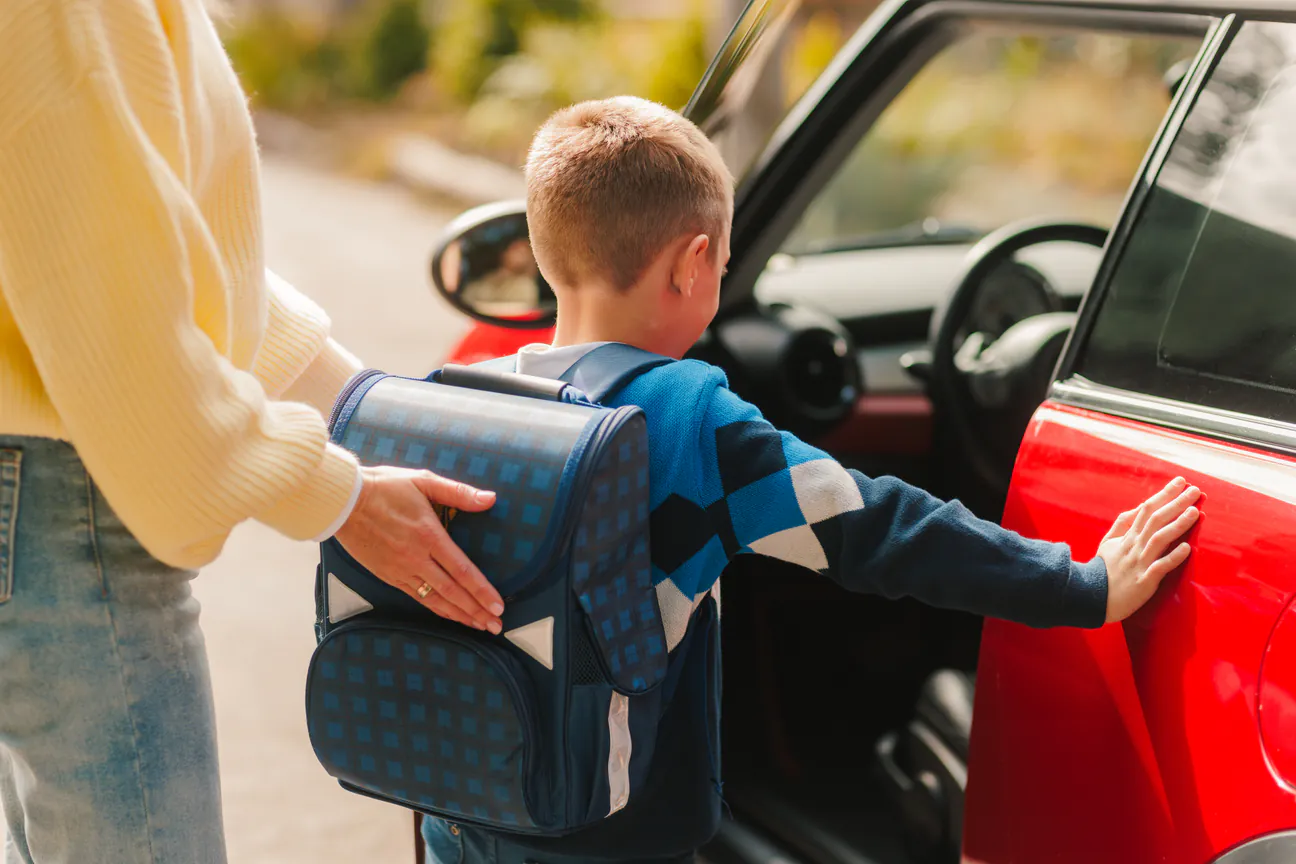

A little back-to-school car care now saves you from a breakdown in the pickup line later. This checklist walks busy Winchester families through the checks that matter most, in the order that matters most, so you can spend a little and protect a lot.
Why Back-to-School Season Is Hard on Your Car
Fall driving is different from summer driving. Mornings get darker, roads get wet, and your daily mileage jumps as the school and activity calendar fills up. Stop-and-go carpool traffic is also some of the hardest driving there is on brakes and tires.
Most family cars are also carrying leftover wear from summer. Highway miles, heat, and heavy loads take a toll that does not always show up until the weather turns. A quick check before the first bell is the cheapest insurance you can buy.
Here is the good news. A back-to-school car check is not one big expensive job. It is a short list of small checks, and you can handle them in order of what keeps your family safest.
Start With the Safety-Critical Checks
If your budget is tight, spend it here first. These three systems keep your family safe in traffic, so they come before anything else.
| Priority | What to Check | Why It Matters Now |
|---|---|---|
| Do first (safety) | Brakes, tires, lights | These keep you safe in traffic and school zones. |
| Do soon | Oil, fluids, wipers | Cheap now, costly if ignored. |
| Plan ahead | Battery, state inspection | Get ahead of cold weather and expiration dates. |
Brakes
Carpool and school-zone driving means constant stopping, and that wears brakes faster than steady highway miles. Have your brakes checked if you hear squealing or grinding, feel a vibration through the pedal when you slow down, or notice the car pulling to one side as you brake. Worn brakes take longer to stop, and that extra distance matters most in a school zone full of kids. Brakes are also the one item on this list you never want to put off.
Tires
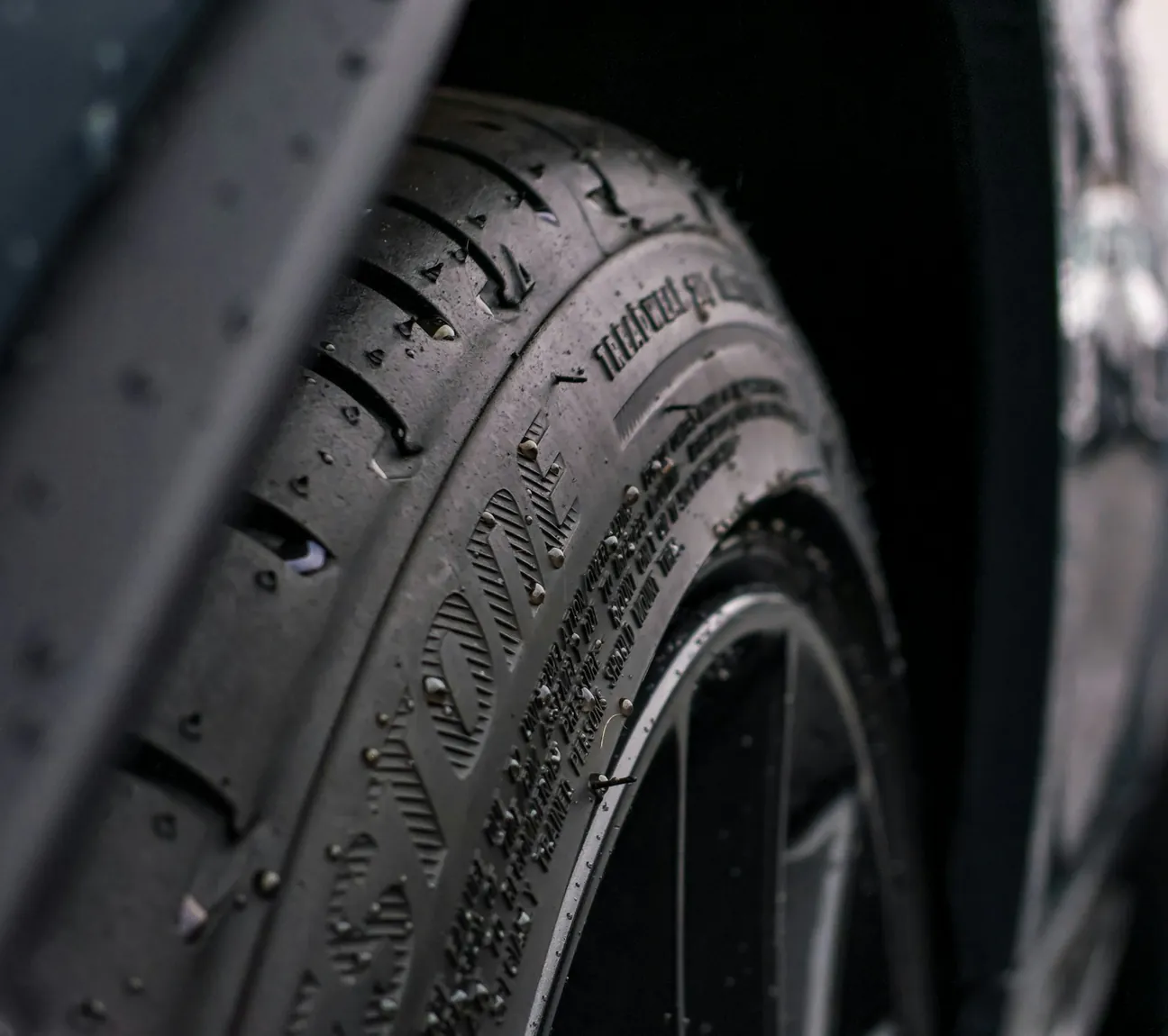
Wet fall roads need good tread to grip, and bald tires are far more likely to slide in the rain. You can check tread at home with a penny. Put it into the tread with Lincoln’s head pointing down. If you can see the top of his head, your tread is worn to about 2/32 of an inch or less, and it is time to replace the tire.
Also check that your tires wear evenly and hold the right pressure. Pressure drops as the weather cools, so a tire that was fine in July may be low by September. A simple check catches a slow leak or uneven wear before it leaves you stranded. If your tread is low, replacing tires is a safety fix, not an upgrade.
Lights and Wipers
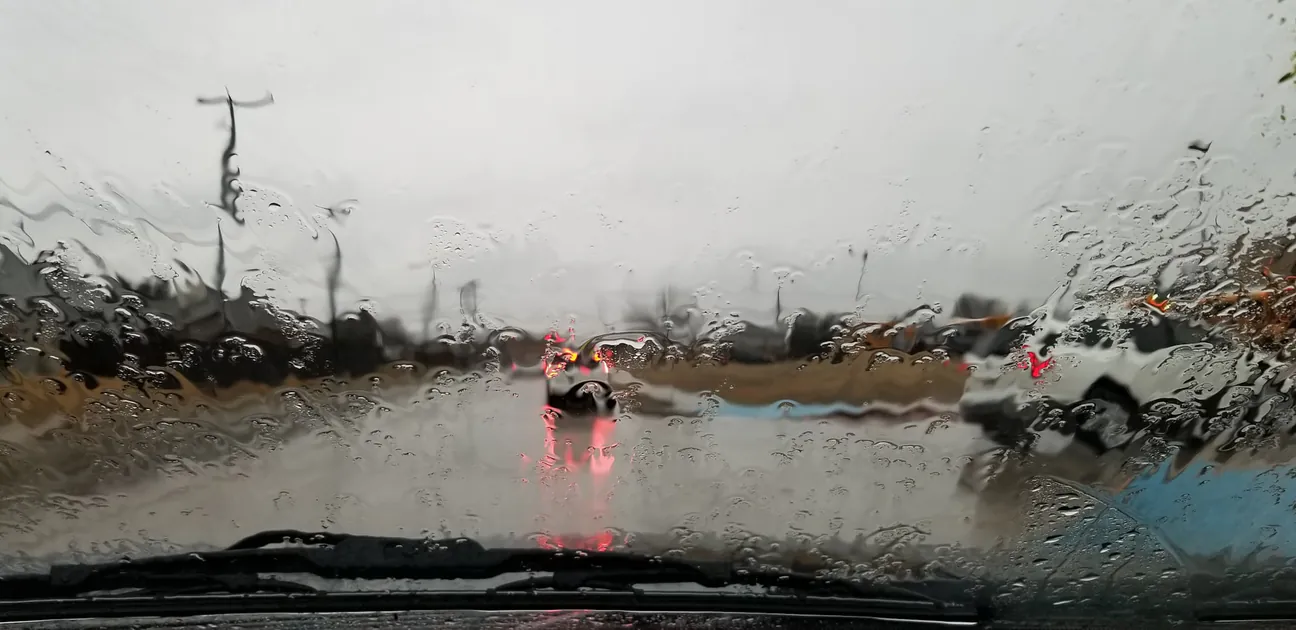
Shorter days mean you will drive in the dark more often, both in the morning and at evening activities. Walk around the car and check that your headlights, brake lights, and turn signals all work. Ask someone to stand behind the car while you press the brake so you can confirm both brake lights come on.
Replace wiper blades that streak or skip. The first hard fall rain, often on a dark morning drive, is not the time to find out they are shot. Wipers are one of the cheapest parts on the car and one of the most important for seeing clearly.
Keep It Running: Oil, Fluids, and Battery
Once the safety items are handled, these next checks keep small problems from turning into expensive ones.
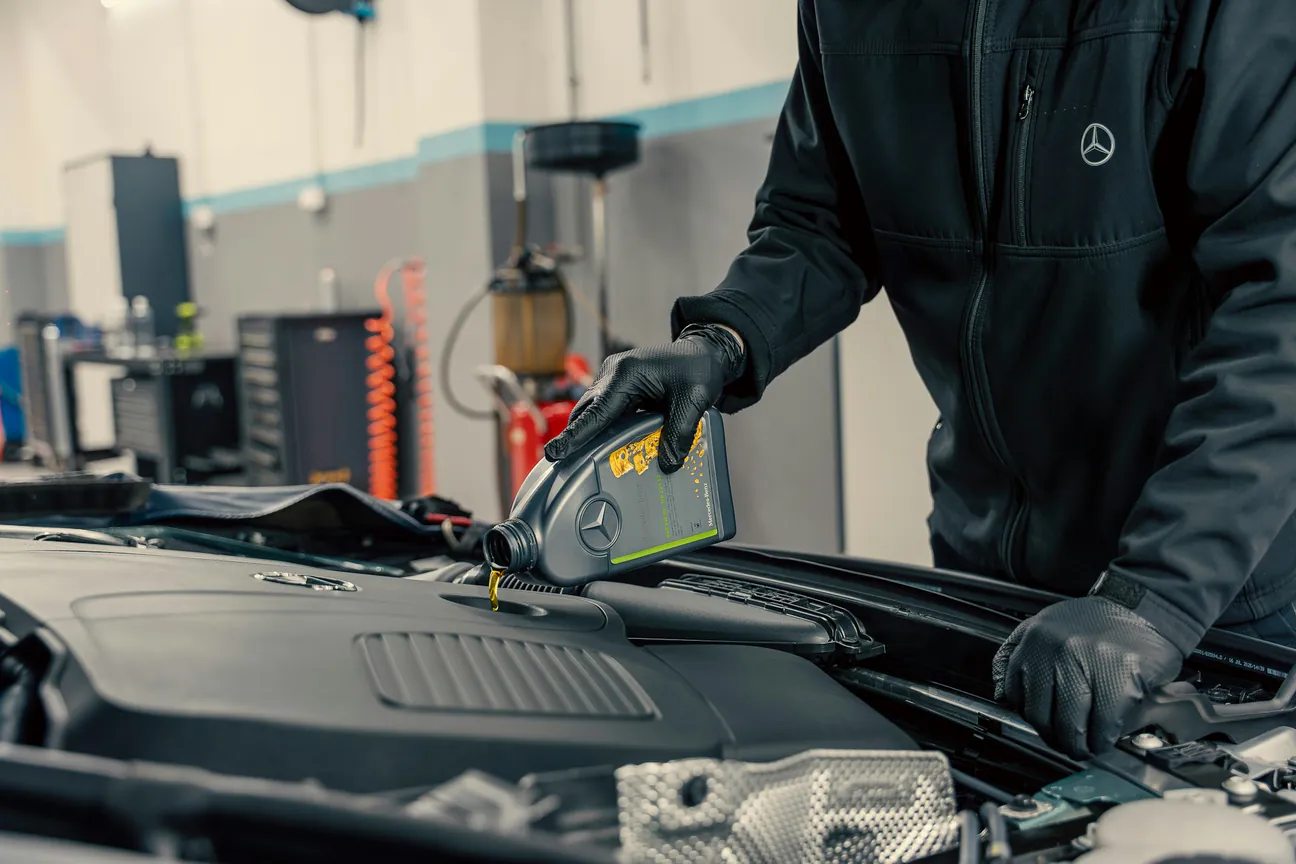
Oil and Fluids
If summer road trips pushed you past your service window, an oil change is due. Fresh oil protects the engine during all the stop-and-go driving ahead. While the car is in, it is worth checking coolant, brake fluid, power steering fluid, and transmission fluid. Low or dirty fluid is a cheap fix now and a costly repair if it is ignored long enough to cause damage.
Battery
Heat is hard on batteries, and the damage from a hot summer often shows up on the first cold morning. Most car batteries last three to five years. If yours is in that range, or the car has been slow to start, have it tested before temperatures drop. A battery test is quick and usually free, and a dead battery in the driveway is the fastest way to make everyone late.
Climate Control
Late-summer heat means your air conditioning still earns its keep on the drive to school. As the season turns, you will want the heater and defroster ready too. If your air conditioning is weak, slow, or blowing warm, get it looked at now. A working defroster clears foggy windows on cool fall mornings, which is a safety issue as much as a comfort one.
Dashboard Warning Lights
If a warning light has been on since summer, do not wait for it to get worse. A check engine light in particular can mean anything from a loose gas cap to a real engine problem, and the only way to know is a proper scan. A quick diagnostic tells you what is going on so you can decide what needs fixing now and what can wait.
Do Not Forget Your Virginia State Inspection
Every vehicle registered in Virginia needs a yearly safety inspection. Check the sticker on your windshield. The number printed on it is the month your inspection expires. If that month falls during the school year, get your Virginia State Inspection done now rather than scrambling later when your schedule is full.
The inspection is also a bonus. It puts a second set of trained eyes on your brakes, tires, and lights, which are exactly the safety items at the top of this list. For many families it is the easiest way to catch a small problem early.
How Busy Parents Can Fit This In
You do not need a free afternoon to do this. The trick is to split the checking from the fixing.
Start with one visit to find out where your car stands. Book a single appointment and ask the shop to run through the full checklist at once, rather than making separate trips. If your days are packed, drop the car off before work and pick it up after. This part is quick, and it tells you exactly what your car needs.
Then handle the repairs on a timeline you control. You do not have to fix everything the same day. Take care of the safety-critical items first, then plan the rest across a couple of paychecks if you need to spread the cost. A good shop will tell you plainly what is urgent and what can safely wait.
The goal is simple. Get the full picture in one visit, then fix things in the order that keeps your family safe and fits your budget.
Frequently Asked Questions
When should I do a back-to-school car check?
Two to three weeks before school starts is ideal. That gives you time to handle anything the check turns up before your daily driving picks up.
What is the most important thing to check?
Brakes, tires, and lights come first. They are the systems that keep your family safe in traffic, so they take priority if you cannot do everything at once.
How much does a basic check cost?
It depends on your vehicle and what needs attention. The best approach is to call your shop, describe your car and any symptoms, and ask for an estimate before you commit. A trustworthy shop will tell you what is urgent and what can wait.
Can I spread these repairs out to manage cost?
Yes. Get everything checked in one visit so you know the full picture, then handle the repairs over time. Take care of the safety-critical items first, and ask your mechanic to help you rank what is urgent versus what can wait until your next paycheck.
How do I know if my Virginia State Inspection is due?
Check the sticker on your windshield. The number on it is the month it expires. If that month falls during the school year, get it done before then.
My car seems fine. Do I still need a check?
A lot of wear does not show up until a part fails. A short check catches slow leaks, worn brakes, and a weak battery before they leave you stranded, which is well worth the time.
Get Your Family Ready for the School Year
Mission Auto Repair helps families across Winchester, Frederick County, Stephens City, Middletown, and Berryville get their vehicles ready for the busy season ahead. Call us to book a back-to-school check, and we will walk you through what your car needs and what can safely wait. Every service also helps fund meals and overnight stays at the Winchester Rescue Mission, so your visit supports neighbors close to home.
Call (540) 546-3547 to schedule your visit.